
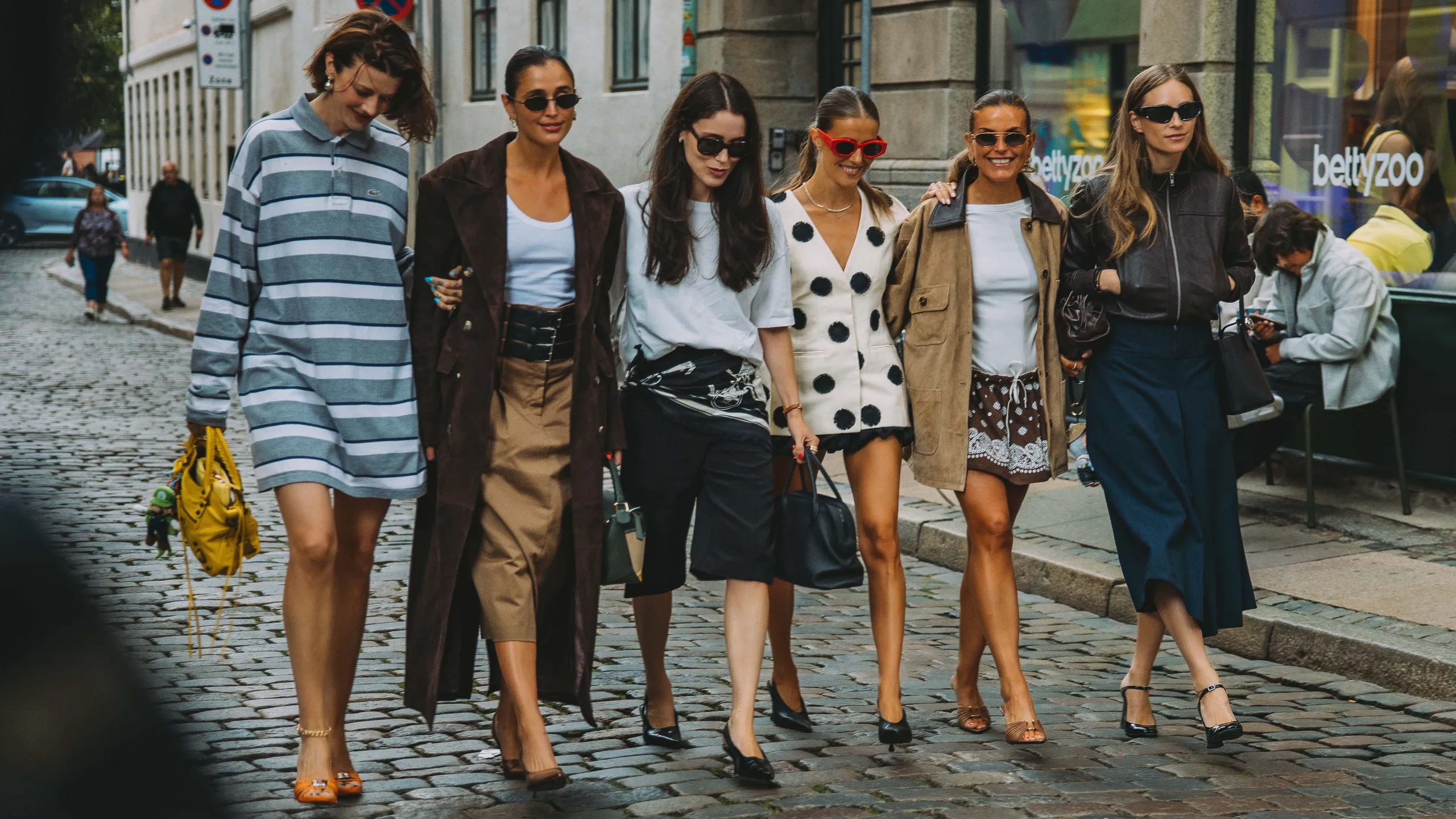

The Ultimate Guide to Mastering the Art of Layering in Streetwear
If you have ever looked at a street style icon and wondered why their simple outfit looks so much better than yours, the secret is rarely the price tag of their clothes. More often than not, the secret is layering. Mastering the art of layering is the most effective way to take your everyday streetwear from basic to brilliantly curated. It is the fashion technique that separates novices from true style enthusiasts.
In this comprehensive fashion guide, we are going to break down the science of building an outfit layer by layer. Whether you are dressing for a freezing winter morning or a breezy summer evening, these principles will help you create dynamic, visually interesting, and highly functional looks.
Why Layering is the Core of Modern Fashion
Layering is about much more than just staying warm. In the realm of contemporary fashion, it serves multiple aesthetic and practical purposes:
- Visual Depth: Wearing a single t-shirt and jeans is flat. Adding an overshirt, a jacket, or a visible base layer creates dimension, drawing the eye and making the outfit look deliberately styled.
- Versatility: Weather can be unpredictable. A layered outfit allows you to add or remove pieces throughout the day, ensuring you are always comfortable without sacrificing your aesthetic.
- Texture Contrast: Layering provides the opportunity to mix different fabrics—like rugged denim, soft fleece, and smooth leather—which adds a tactile richness to your overall appearance.
The 4 Golden Rules of Effective Layering
Before you start piling on every jacket and hoodie in your closet, it is important to understand the fundamental rules. Great layering requires strategy and balance.
1. Think Thinner to Thicker
This is the most critical rule of comfort and style. Your layers should always progress from the thinnest, most lightweight fabrics closest to your body, to the thickest, heaviest fabrics on the outside. Start with a breathable cotton or merino wool base layer (like a graphic tee or thermal). Your mid-layer can be a flannel shirt or a fleece hoodie. Finally, your outer layer should be a structured coat, a puffer, or a heavy denim jacket. Reversing this order will restrict your movement and create a bulky, unnatural silhouette.
2. Master Your Proportions and Hemlines
A well-layered outfit creates a cascading effect at the waistline. Ideally, you want the hem of your base layer (like an oversized t-shirt) to peek out slightly below the hem of your mid-layer (like a cropped hoodie or a bomber jacket). This visible separation between garments is what highlights the fact that you are layering intentionally. However, avoid letting the base layer hang too low, as this can shorten your legs and throw off your bodily proportions.
3. Mix Textures, Not Just Colors
If you wear a cotton t-shirt under a cotton hoodie under a cotton canvas jacket, your outfit will lack excitement, even if the colors are great. To elevate your look, introduce contrasting textures. Pair a smooth nylon windbreaker over a chunky knit sweater, or layer a rough corduroy overshirt on top of a soft silk-blend tee. The friction between these different materials is what makes high-end streetwear look so luxurious.
4. Keep the Inner Layers Fitted and Outer Layers Relaxed
For an outfit to drape correctly, your base layers should sit relatively close to the body. If your base t-shirt is excessively baggy, it will bunch up awkwardly when you put a jacket over it. Keep the foundations neat, and let the oversized, relaxed streetwear aesthetic shine through your outer layers.
Essential Layering Pieces Every Wardrobe Needs
To build a versatile wardrobe, you need the right tools. Here are the foundational pieces required for top-tier streetwear layering:
The Perfect White T-Shirt
The plain white t-shirt is the undisputed king of base layers. It provides a crisp, clean contrast that breaks up dark outfits and frames your face. Invest in tees with a sturdy collar that will not stretch out after a few washes.
The Overshirt (Shacket)
The overshirt—a hybrid between a shirt and a jacket—is the ultimate mid-layer. Whether it is made of heavy flannel, raw denim, or military-style ripstop cotton, it adds instant ruggedness to a plain tee and fits perfectly under heavier winter coats.
The Zip-Up Hoodie
While pullover hoodies are great, zip-up hoodies offer far more versatility for layering. You can wear them unzipped to show off your graphic tee, or zip them halfway to create an interesting neckline under a topcoat.
Common Layering Mistakes to Avoid
Even seasoned fashion veterans can make mistakes when building complex outfits. Keep an eye out for these common pitfalls:
- Clashing Bold Patterns: If you are wearing a loudly patterned mid-layer (like a bright plaid flannel), keep the base and outer layers solid and neutral. Too many patterns will make the outfit chaotic and hard to look at.
- Ignoring Breathability: Layering strictly with synthetic materials like polyester can trap heat and sweat. Always ensure your base layer is made of a breathable natural fiber like cotton to regulate your body temperature.
- The “Michelin Man” Effect: Layering should not make you look twice your actual size. If you feel restricted and cannot easily bend your arms, you have chosen layers that are too thick or you are wearing too many of them.
Conclusion: Build Your Signature Look
Mastering the art of layering takes practice, but it is the single most rewarding skill you can develop in fashion. By understanding the interplay of proportions, textures, and fabric weights, you can maximize the potential of the clothes you already own and develop a signature streetwear style that works in any season.
Next time you get dressed, do not stop at the first two pieces. Experiment with a third layer, step back, and watch how it transforms your entirely aesthetic.